
Exercising with Diabetes: The Complete Guide
Everything you need to train confidently with diabetes - how different sports move glucose, how to plan and fuel sessions, and how to handle lows and highs around exercise.

Exercise is one of the most powerful tools you have for living well with diabetes - and one of the trickiest things to manage. A run can send glucose down, a heavy gym session can send it up, and the same workout can behave differently from one week to the next. That unpredictability is why so many people with diabetes hold back from training, and it's exactly the problem this guide is here to solve.
The good news: glucose responses to exercise are not random. They follow patterns, and once you learn your patterns, exercise stops being a gamble and starts being the best part of your week. This guide walks through why exercise matters, how different types of training move glucose, how to plan and fuel sessions, and how to handle the lows and highs that come with an active life.
One important note before we start: this guide explains patterns and shares strategies that many active people with diabetes use. It is not medical advice, and it never replaces your care team. Insulin, medication and target ranges are personal - work with your healthcare professionals to adapt anything here to your own management plan.
Why exercise matters with diabetes
Regular movement improves insulin sensitivity, which means your body uses insulin more effectively - often for many hours after a session ends. Over time, consistent training supports better time in range, cardiovascular health, body composition, sleep and mood. Research suggests that even modest amounts of moderate activity each week can meaningfully improve insulin sensitivity, and as little as 10 minutes of movement can make a measurable difference.
Just as important is what exercise does for how you feel. Training gives structure, confidence and community - and for many people with diabetes, sport is the place where the condition stops feeling like a limitation. You don't need to be an athlete to get these benefits. A brisk walk counts. So does a swim, a yoga class or a kickabout with friends.
If you want the full case for getting moving, our article on 5 ways exercise can improve your health with diabetes breaks down the benefits in more detail.
How different types of exercise move glucose
This is the single most useful thing to understand: the type of exercise you do largely determines the direction your glucose goes.
Aerobic exercise usually lowers glucose
Steady, sustained efforts - easy running, cycling, swimming, hiking - make your muscles pull glucose out of the bloodstream at a much higher rate. If you have active insulin on board, that combination can drop glucose quickly, sometimes within 20-30 minutes of starting. The longer the session, the bigger the cumulative effect. Our guide to aerobic exercise and diabetes goes deeper on why this happens.
Anaerobic exercise often raises glucose
Short, intense efforts - heavy strength training, sprints, competitive matches - trigger adrenaline and other stress hormones that tell the liver to release glucose. Many people see a rise during and immediately after these sessions, even though they are working hard. The rise is usually temporary, and insulin sensitivity often improves in the hours afterwards. If lifting is your thing, read our piece on resistance training and diabetes.
Mixed sports do both
Team sports like football, interval sessions, HYROX and triathlon combine aerobic and anaerobic work, so glucose can swing in both directions within a single session. These are the sports where knowing your personal pattern matters most - and where a CGM becomes genuinely game-changing. We cover reading that data in detail in our companion guide, CGM and exercise.
Planning a session
A little planning removes most of the stress from training with diabetes. Before a session, three things matter most:
Your starting glucose. Most active people with diabetes aim to start a session in a comfortable range with a little headroom - not so low that the session becomes a rescue mission, not so high that they feel sluggish. Where that sweet spot sits depends on the sport and the person, so agree on your pre-exercise targets with your care team.
Insulin on board. Rapid-acting insulin from a recent meal bolus keeps working for hours. Exercising with a lot of active insulin is the most common cause of exercise lows. Many people find that timing sessions further from meal boluses, or discussing dose adjustments with their care team for sessions they know are coming, makes a huge difference.
The session itself. How long, how hard, and what type? A 30-minute easy jog and a 30-minute interval session need completely different plans. Writing down what you intend to do - and comparing it afterwards with what your glucose actually did - is how patterns emerge.
Fuelling for training
Carbohydrate is your throttle. Used well, it keeps glucose stable through sessions of any length.
For shorter, easier sessions, many people need little or nothing extra - especially if glucose is comfortably in range at the start. For longer aerobic work, a steady drip of carbs during the session is often what keeps glucose from sliding. Long rides and runs commonly need planned fuelling every 30-60 minutes, adjusted to what your CGM is showing.
The details - how many grams, what type, and when - depend heavily on intensity, duration, insulin on board and your own physiology. Our training guide on carbohydrate intake around exercise is the deep dive, and it pairs well with tracking your own data so you can move from generic rules to numbers that are actually yours.
And always, always carry fast-acting carbs. Glucose tablets, gels or juice in a pocket cost nothing to bring and turn a potential emergency into a two-minute pause.
Handling lows and highs around sessions
Lows during exercise. If you feel low or your CGM shows a rapid fall, stop, treat with fast-acting carbs, and give it time before restarting. No session is worth pushing through a low. Learning which sessions tend to cause drops - and pre-empting them with fuel or timing changes - is the long-term fix.
Highs during exercise. A temporary rise during intense work is common and usually settles. Starting very high is different - it can be a sign to check ketones and postpone, which is a conversation to have with your care team. Our article on what to look out for when exercising covers the warning signs worth knowing.
Delayed lows. This one catches people out. After long or intense sessions, muscles keep restocking their glucose stores for hours - insulin sensitivity can stay elevated well into the night, and lows 4-12 hours after training are common. Evening sessions deserve extra attention: many athletes review their CGM before bed, adjust their evening snack, and talk to their care team about overnight strategies for big training days.
Getting started
If you're new to exercise, start small and build gradually. A few short, easy sessions per week is a genuinely great beginning - consistency beats intensity every time. Pick something you enjoy, keep fast-acting carbs with you, check your glucose around sessions, and treat the first few weeks as data collection rather than performance.
Our Beginner Club guide to starting exercise includes a full 12-week progressive plan, and involving your care team early means your insulin and medication strategy evolves alongside your fitness.
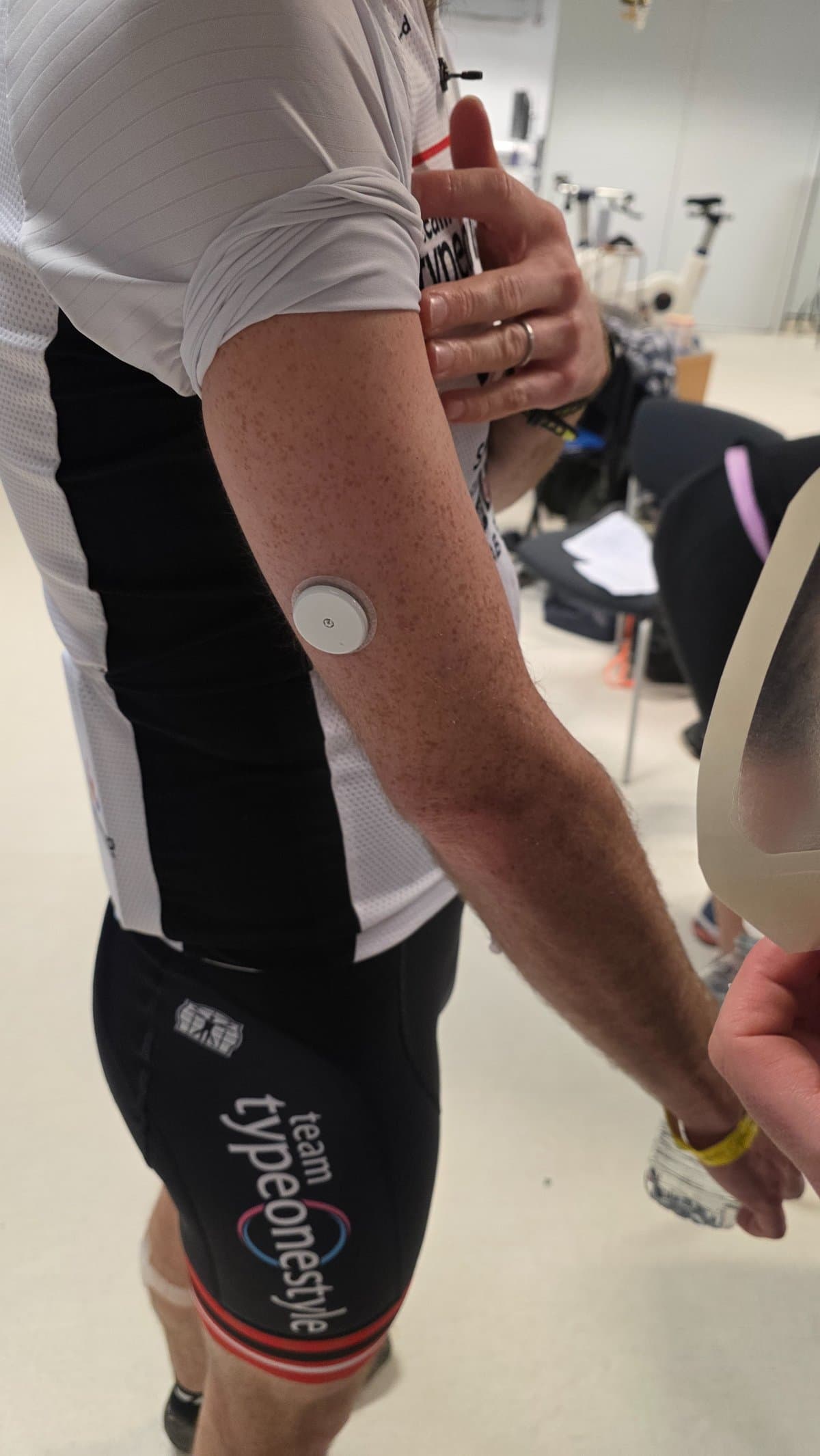
Most of all: find your people. Training alongside others who get it - who have treated a low mid-ride and raced with a sensor on their arm - changes everything. The community around exercise and diabetes is one of the most supportive corners of sport.
How Enhance-d helps
Everything in this guide comes down to one skill: learning your own patterns. That's exactly what Enhance-d is built for. The app brings your CGM, workouts and wearable data into one place, so every session becomes a labelled experiment - you can see what your glucose did during that tempo run, that leg day, that long hike, and compare sessions over time.
Instead of guessing whether the pre-ride banana worked, you can check. Instead of wondering why Tuesday's session ended low and Thursday's didn't, you can look at the insulin, fuel and intensity side by side. And when you meet your care team, you arrive with real data instead of vague memories.
Enhance-d is free to start on iOS and Android, and it works with the CGMs and sports wearables you already use. Exercise with diabetes will always take a bit more thought - but with your patterns in front of you and a community behind you, it stops being a barrier and becomes the thing that makes everything else easier.
Frequently asked questions
Does exercise raise or lower blood glucose?
Both, depending on the type of exercise. Steady aerobic work like easy running, cycling or swimming usually lowers glucose, because working muscles pull glucose from the bloodstream. Short, intense anaerobic efforts like heavy lifting or sprints often cause a temporary rise, driven by adrenaline and other stress hormones. Mixed sports can swing glucose in both directions within one session.
Why does my glucose drop hours after exercise?
After long or intense sessions, muscles keep restocking their glucose stores for hours and insulin sensitivity can stay elevated well into the night. Delayed lows 4-12 hours after training are common, which is why evening sessions deserve extra attention - many athletes review their CGM before bed and discuss overnight strategies with their care team.
What should I check before starting a workout with diabetes?
Three things matter most: your starting glucose (aim for a comfortable range with a little headroom, agreed with your care team), how much active insulin you have on board (recent meal boluses keep working for hours and are the most common cause of exercise lows), and what the session involves - its length, intensity and type.
Do I need to eat carbs during exercise?
It depends on the session. Shorter, easier sessions often need little or nothing extra if glucose starts in range. Longer aerobic sessions commonly need planned fuelling every 30-60 minutes, adjusted to what your CGM shows. Whatever the plan, always carry fast-acting carbs such as glucose tablets, gels or juice.
Keep reading

Put it into practice
See your own glucose patterns around training
Enhance-d brings CGM, workouts and community together - free to start on iOS and Android.